
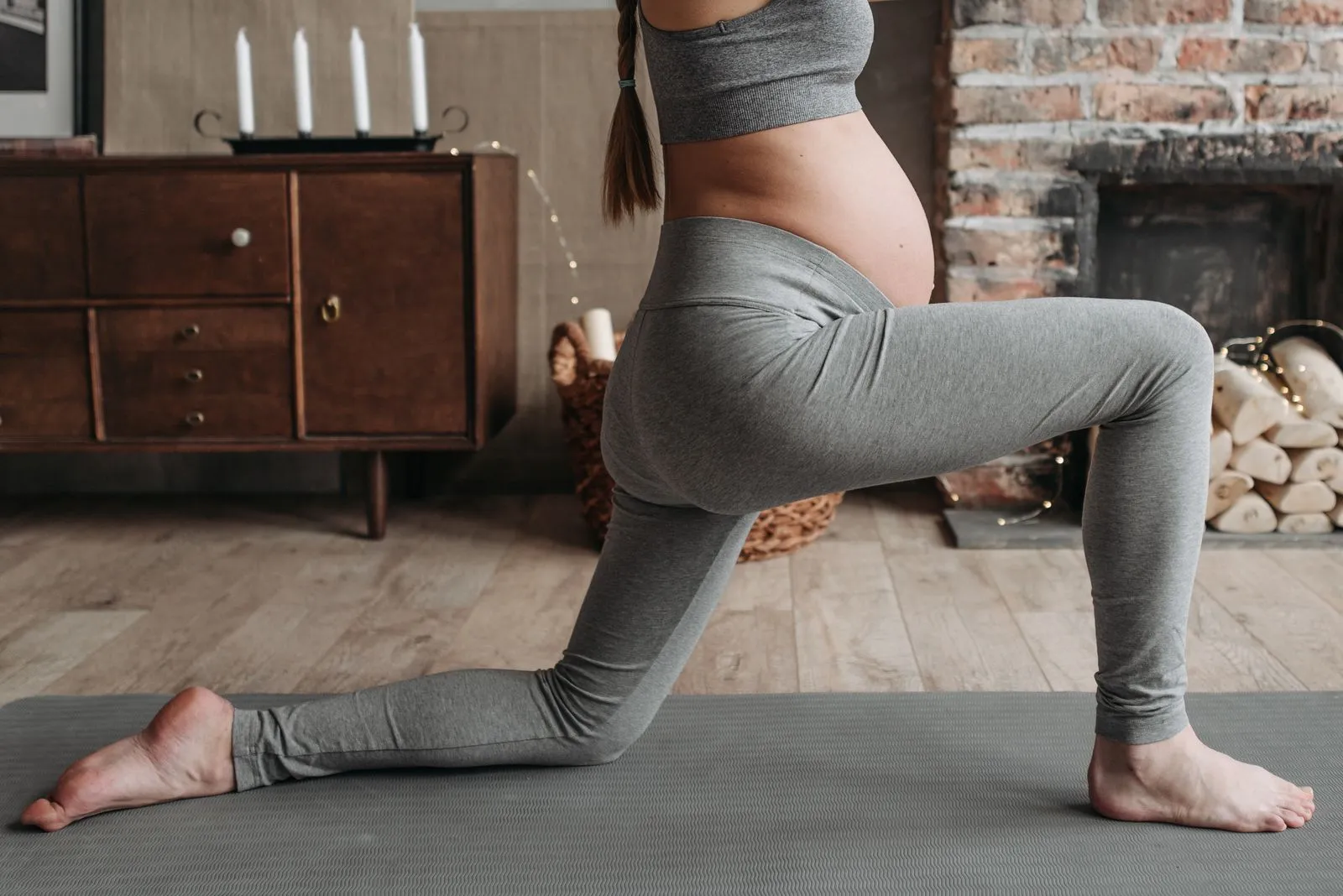
After pregnancy and birth, returning to core movement is less about pushing for strength and more about noticing how your body responds. Gentle breathing and small, supported movements can help you reconnect with your abdomen and pelvic floor at a pace that feels manageable. Recovery varies, so there is no single exercise or timeline that suits everyone. Follow guidance from your healthcare professional, and let comfort—not pressure—shape each session.
Start With Comfortable Breathing
Lie on your side or sit with your back supported, whichever feels easier. Let your shoulders soften and breathe naturally. As you inhale, notice your ribs widening. As you exhale, allow your ribs to settle without forcing your stomach inward. This simple check-in can help you become aware of your breathing and trunk without adding strain.
If it feels comfortable, pair an easy exhale with a gentle pelvic floor lift, as though you are lightly drawing inward and upward. Keep the effort small, then fully release. Do not hold your breath, squeeze hard, or continue if you notice pain, pressure, or increased tension. You can practice the breathing without adding a pelvic floor movement.
Add Small, Supported Movements
When breathing feels comfortable, try a heel slide while lying on your back with knees bent and feet resting on the floor. Exhale gently as one heel glides a short distance away, then bring it back without letting your back or pelvis strain. Start with a few slow repetitions. Reduce the range or stop if the movement feels uncomfortable.
Another option is a seated march in a sturdy chair. Sit tall but relaxed, keep both feet grounded, and lift one foot just slightly before setting it down. Alternate sides while breathing normally. Use your hands for support if needed. These movements are examples, not requirements; choose one that feels steady and easy to control.
Adjust to Your Body's Signals
Make an exercise easier by shortening the movement, using a supported position, or taking a rest between repetitions. You can also return to relaxed breathing alone. A mild sense of effort may be expected, but stop if you feel pain, heaviness or pressure in the pelvis, leaking, dizziness, or a noticeable increase in bleeding. Symptoms that concern you deserve attention rather than being pushed through.
Recovery needs can change from day to day. Consider how you feel during movement and afterward, including whether symptoms settle or worsen. If you have had a cesarean birth, significant tearing, complications, or ongoing discomfort, ask your healthcare professional for individualized advice before progressing. A pelvic health physical therapist can help assess symptoms and suggest modifications suited to you.
Build Gradually, Without a Deadline
Keep early practice brief and calm. A few comfortable breaths or repetitions are enough to begin; there is no need to increase time or difficulty on a fixed schedule. When a movement feels consistently manageable, you might add a repetition or a little range, changing one thing at a time. Rest is part of recovery, not a sign that you have failed.
As you return to daily tasks, notice whether you can breathe comfortably and avoid bracing excessively when lifting or carrying. Exhale during effort if that feels helpful, and bring the load closer to your body. If symptoms appear, make the task easier and seek professional guidance when needed. Harbor Postnatal Pilates in Providence offers postnatal movement support for people looking for a guided, adaptable approach.
Gentle postpartum core work begins with awareness, comfortable breathing, and movements you can adjust or stop. Let your symptoms and your healthcare professional’s guidance shape what comes next. If you would like support exploring an adaptable return to movement, consider contacting a qualified postnatal instructor or pelvic health professional.